Linux commands: clear
By Flavio Copes
Learn how the Linux clear command wipes your terminal screen, the handy ctrl-L shortcut for it, and how clear -x clears but keeps your scrollback.
Type clear to clear all the previous commands that were ran in the current terminal.
The screen will clear and you will just see the prompt at the top:
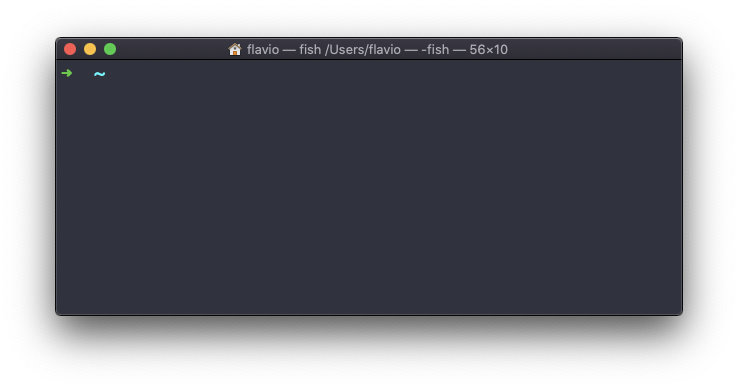
It’s a small tool with one honest job: getting visual clutter out of the way. Before starting a new task, or before taking a screenshot, a clean screen makes it much easier to tell fresh output from old output.
Note: this command has a handy shortcut:
ctrl-L
The shortcut is provided by the shell, and it’s faster than reaching for the command. My advice is to make it a habit.
Once you do that, you will lose access to scrolling to see the output of the previous commands entered.
So you might want to use clear -x instead, which still clears the screen, but lets you go back to see the previous work by scrolling up:
clear -xTo verify the difference, run a few commands, then clear -x, then scroll up: the old output is still there. After a plain clear, on many terminals, it’s gone.
Under the hood there is no magic. clear prints escape sequences that your terminal interprets as “wipe the screen”. You can make them visible by piping the output through cat -v:
clear | cat -v
# ^[[3J^[[H^[[2J
Those ^[[ codes are instructions for the terminal, not text.
One related failure is worth knowing. If you cat a binary file by accident, the terminal can end up garbled, printing strange symbols instead of letters. clear will not fix that, because the terminal’s own state is broken, not just the screen content. Type reset and press enter — even if you can’t read what you’re typing — and the terminal reinitializes itself.
The
clearcommand works on Linux, macOS, WSL, and anywhere you have a UNIX environment
Want me to talk about your product? You can sponsor this site.